
Business · Operations
What Happens to an Event Business After the Crowd Goes Home?
Published · About 7 min read
The music stops. The venue begins to empty. Vendors pack their equipment, the last attendees drift toward the exit, and the organisers finally get a moment to breathe.
From the outside, the event is over.
For the people who put it together, another phase is just beginning. There are payments to reconcile, vendors to settle, sponsors to report to, tickets to account for, feedback to review — and a hundred small details that need attention before the team can move on to the next thing.
And then there is the question that gets overlooked in the rush: what happens to everything the event created?
The work after an event is still business work
An event does not stop producing work when the doors close. It changes the kind of work. The visible part — the stage, the crowd, the moment — is replaced by the operational part: the accounting, the follow-up, the reporting, the remembering.
Consider what an organiser needs to understand after an event:
- How many people registered, paid, and actually attended?
- Which ticket categories performed well?
- How much revenue came in, and what costs still need to be settled?
- Which vendors delivered as expected?
- What did sponsors receive in return for their investment?
- What did attendees enjoy, and what made the experience difficult?
- How many people would be interested in attending another event?
These are not administrative loose ends. They are the inputs to every commercial decision that follows: pricing, partnerships, budgeting, marketing, venue choice, and whether the next event is even worth running.
An organiser who understands why one event performed well can make more informed decisions about the next one. An organiser who cannot access that information is likely to repeat the same planning process — including the mistakes that could have been avoided.
Reconciliation is where the truth lives. The ticket dashboard reports one number. The bank account reports another. The venue invoice arrives three weeks later with a line item nobody remembers approving. Cash was taken at the door, complimentary passes were handed out, a vendor was paid from a personal account, and a refund was promised on WhatsApp.
None of those gaps is dramatic on its own. Together they decide whether an event made money, broke even, or quietly lost it. The organiser who can close them within a few days is running a business. The one who cannot is always estimating.

An event produces more than a crowd
Every event creates a collection of business assets.
It brings together people with shared interests. It creates relationships between attendees, organisers, sponsors, vendors, performers, and other partners. It generates content, customer insight, sales data, and information about what people are willing to pay for.
Yet much of this value is treated as temporary.
The photos are posted. A few highlights make it to social media. The team shares memories of how the event went, and then everyone moves on to the next project. The deeper information stays scattered across spreadsheets, email threads, WhatsApp conversations, ticketing records, and personal devices.
By the time the next event is being planned, the team may have to reconstruct what happened at the previous one. That is a costly way to run a business — and it is one of the quiet reasons good organisers plateau.
The audience should not disappear with the event
One of the biggest missed opportunities is the relationship with attendees after the event ends.
People who attend have already shown an interest in something. They gave up their time, made a payment or registered, travelled to a venue, and participated in an experience. That relationship should not be reduced to a ticket transaction.
For an organiser who hosts events regularly, the audience can become one of the most valuable parts of the business. It can inform future event concepts, improve communication, support community building, and create a more predictable path to repeat attendance.
This does not mean sending people endless promotional messages. It means understanding who attended, respecting their preferences, and giving them a reason to stay connected.
The event may be temporary. The relationship does not have to be.
Every event should make the next one easier
A successful event should leave the organising team with more than revenue and photographs.
It should leave them with better information, stronger relationships, clearer processes, and a better understanding of their audience. The next event should not have to start from zero.
Past ticket sales should inform pricing. Attendance patterns should influence venue decisions. Vendor records should make future coordination easier. Sponsor reports should help build stronger commercial relationships. Feedback should influence how the next experience is designed.
This is how an event operation becomes a more mature business. Not simply by hosting more events, but by getting better at learning from each one.
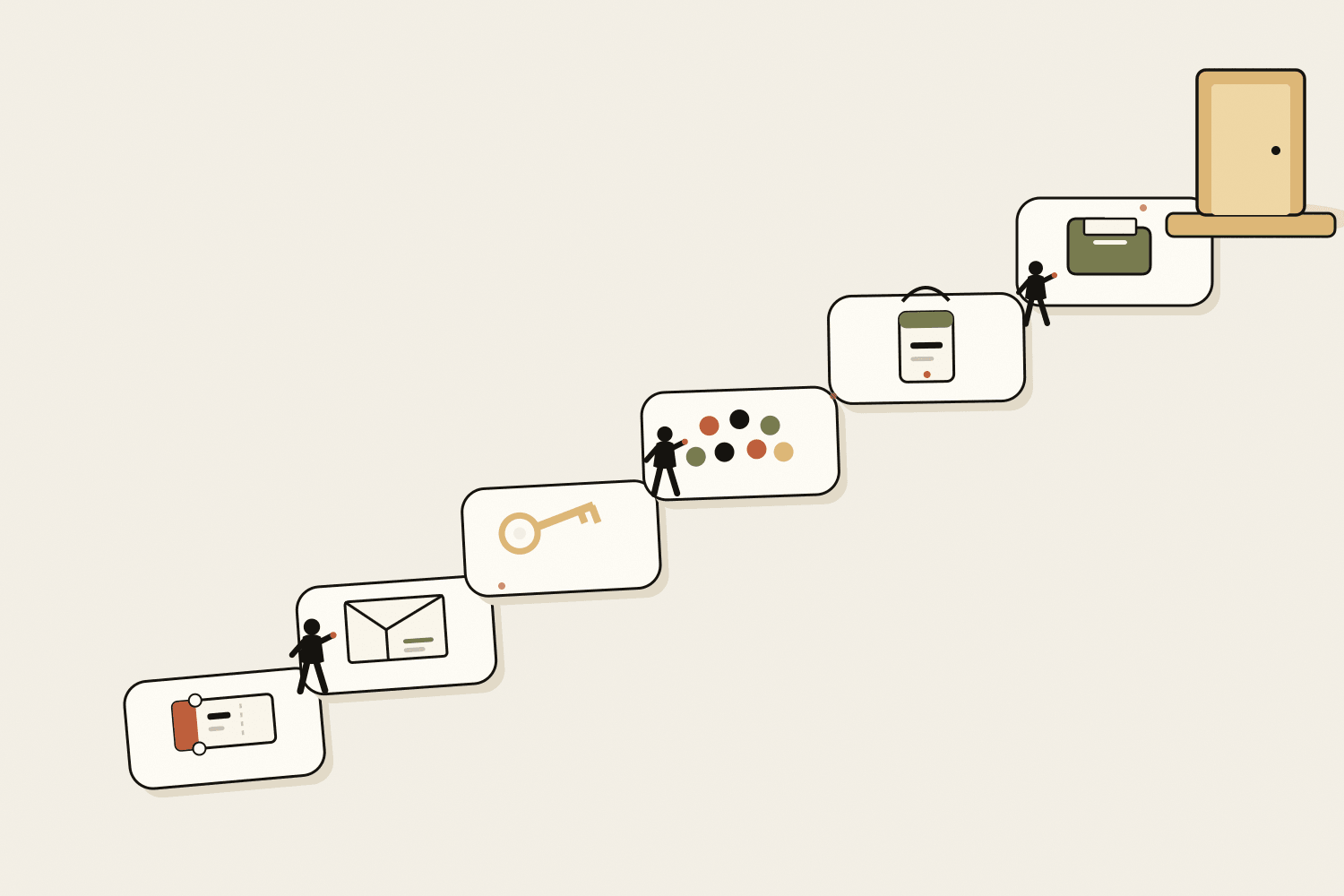
Sponsors are buying evidence, not attendance
Sponsorship is the clearest test of whether an event business can carry its value forward. A sponsor is rarely paying for a logo on a banner. They are paying for access to a specific audience, and for proof that the access actually happened.
Yet sponsor reports are often assembled from memory a month later: a folder of photos, a rough attendance figure, a few screenshots of social posts. The sponsor cannot see who was in the room, what they heard, or whether the audience matched the one they were promised.
An organiser who can answer those questions — with attendance by ticket type, session data, content delivered, and feedback from the people who were actually there — turns one sponsorship into a renewal conversation. An organiser who sends a thank-you note and a photo album starts from zero next year.
The infrastructure behind the experience
The events industry has invested heavily in the visible parts of the experience: venues, production, promotion, performances, and ticket sales. The less visible operational layer deserves the same attention.
Organisers need systems that help them manage the full lifecycle of an event, from planning and registration to payments, attendance, reporting, and what comes afterwards. When those activities are disconnected, teams spend too much time moving information between tools and trying to remember what happened. When the information is connected, the business can build on its previous work.
This is an important part of how we think about EventDorm. We are interested in the infrastructure that supports the people behind events, not only the moment when someone buys a ticket. The goal is to make the work of organising, managing, and growing events more connected, so that the value created by one event can carry into the next.
The record worth keeping
A useful post-event record is smaller than most teams imagine. It does not need every message, every photo, or every opinion. It needs the facts that change decisions:
- Tickets sold by type, channel, and price — with comps and refunds kept separate.
- Attendance against sales, including no-shows and walk-ins.
- Revenue collected, fees paid, and every cost still outstanding.
- Vendor performance: who delivered, who was late, and what it actually cost.
- Sponsor deliverables, and the evidence that each one was met.
- Attendee feedback, segmented by ticket type rather than averaged into one number.
If a record cannot answer a question that changes a price, a partnership, or a plan, it is probably not worth maintaining. If it can, it should not live in someone's memory.
A simple test for the morning after
The gap between an event that happened and an event the business learned from usually comes down to three questions.
Can you see the full financial picture — ticket revenue, outstanding vendor costs, refunds, and comps — within a day of closing? Can you describe your audience well enough to know who is likely to return, and what would bring them back? Could someone new to your team plan the next event from your records without calling you every hour?
If the answer to any of those is no, the event is generating value the business cannot yet use. The fix is rarely more effort. It is better memory: one connected record of what was sold, who came, what it cost, and what people said.
That record is what turns a calendar of events into a business with a past — and a compounding future.
Because an event business should not have to rebuild its memory every time it opens its doors.
The crowd may go home, but the business should keep moving.
Built to remember
EventDorm connects planning, registration, payments, attendance, vendors, and reporting — so the value of one event carries into the next instead of disappearing with the crowd.
Want more on how we think about the business behind events? Read the people behind every great event or how event support became part of the platform. Already on EventDorm? Create your next event.